
Langue : English

Publié 17 octobre 2023 par Pluto Press.

ISBN :
978-0-7453-4922-0
ISBN copié !

Voir sur OpenLibrary

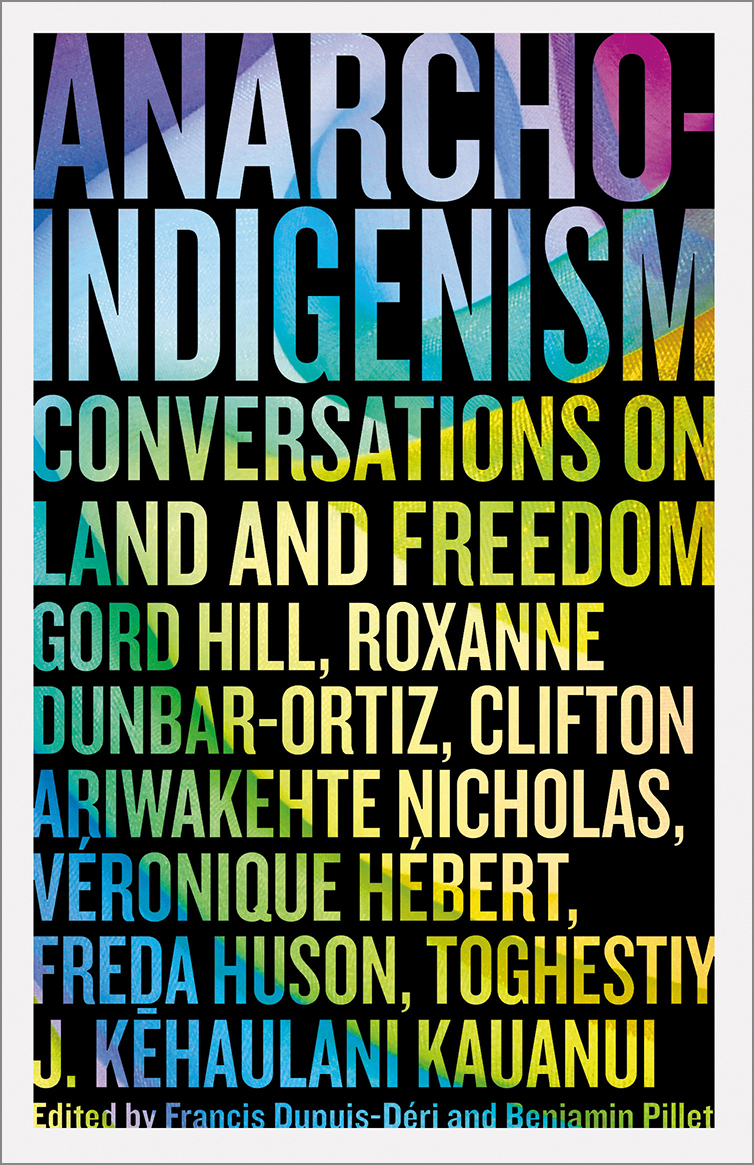
As early as the end of the nineteenth century, anarchists such as Peter Kropotkin and Élisée Reclus became interested in Indigenous peoples, many of whom they saw as societies without a state or private property, living a form of communism. Thinkers such as David Graeber and John Holloway have continued this tradition of engagement with the practices of Indigenous societies, while Indigenous activists coined the term 'anarcho-indigenism', in reference to a long history of (often imperfect) collaboration between anarchists and Indigenous activists, over land rights and environmental issues, including recent high profile anti-pipeline campaigns. Anarcho-Indigenism is a dialogue between anarchism and Indigenous politics. In interviews, the contributors reveal what Indigenous thought and traditions and anarchism have in common, without denying the scars left by colonialism. They ultimately offer a vision of the world that combines anti-colonialism, feminism, ecology, anti-capitalism and anti-statism.

2 éditions

None

I loved reading about a wide variety of approaches & contexts in one place. The text provided some context to make commentary fairly accessible to someone with little background, but it also prompted me to do my own research to engage more meaningfully with the critiques. I found the interviewees’ challenges to the interviewers were informative and useful and appreciated their inclusion, though I take other reviewers’ points about the interviewers’ shortfalls. I learned a lot and have ideas of where to look to learn more.